Architect Mario Kleff: FAQs & Details Laguna Heights
Overview
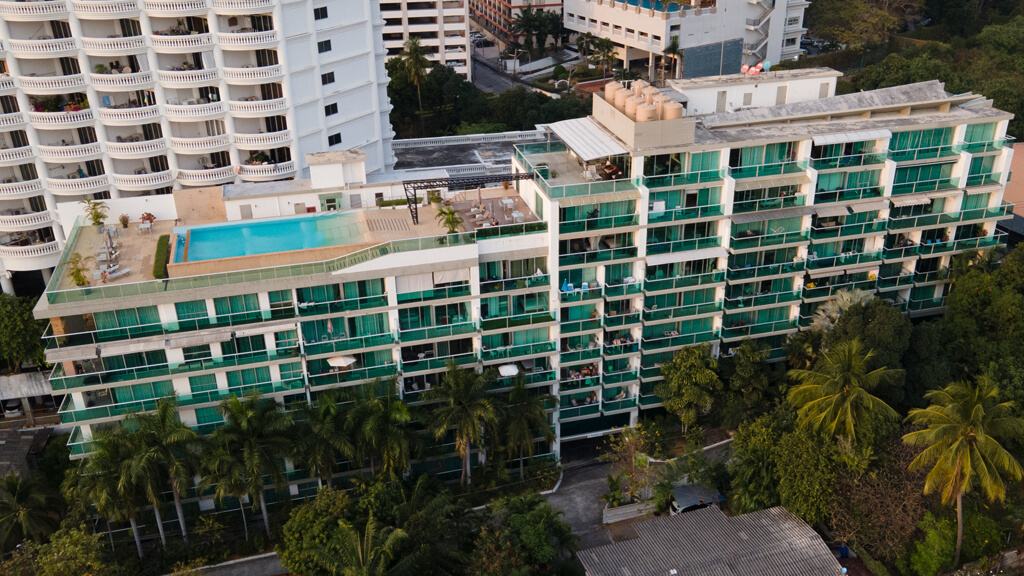
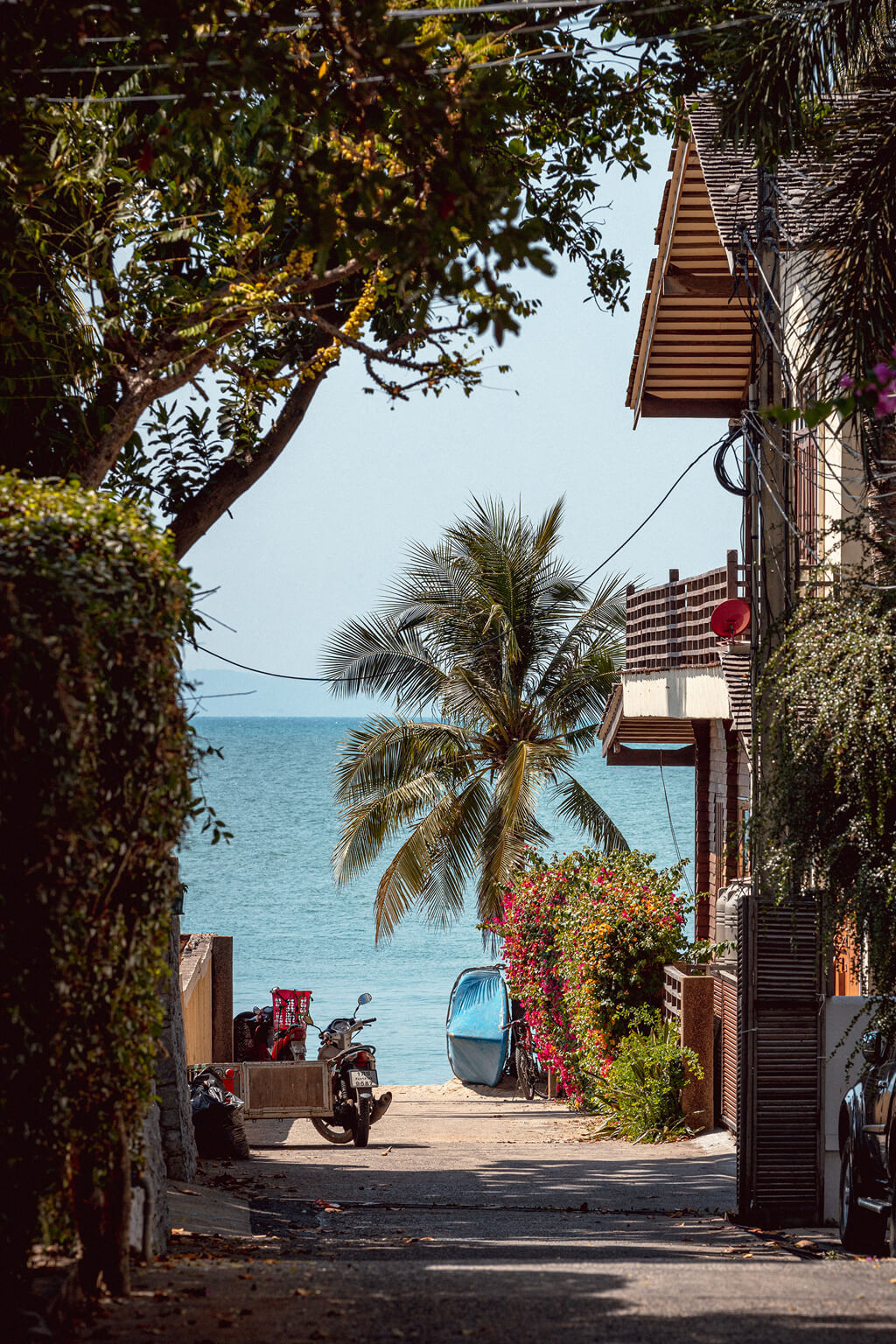
Laguna Heights Condominium, located at 159/192, Soi Naklua 16, Moo 5, Na Kluea, Pattaya, is a luxurious architectural masterpiece designed by the renowned architect Mario Kleff. Constructed by Wandeegroup under his guidance, this 8-story beachside icon seamlessly integrates with the tranquil ambiance of Wong Amat Beach.
Key Information
- Official Name: Laguna Heights
- Status: Complete
- Type: Condominium
- Architectural Style: Modern
- Town: Pattaya City
- Country: Thailand
- Address: 159/192, Soi Naklua 16, Moo 5, Na Kluea, Banglamung
- Coordinates: 12°66′7″N 100°88′5″E
- Website: Laguna Heights
Design and Construction
- Land area: 2062 sq m (22195 sq ft)
- Floor size: 1267 sq m (13638 sq ft)
- Height:23.8 m (78 ft)
- Proposed: 2008
- Construction Start: 2008
- Topped-Out: 2009
- Inaugurated: 2010
- Main Contractor: Wandeegroup (Thailand) Co Ltd
- Developer: Heights Holdings Co Ltd, CEO Haim Bar-David
- Architect: Mario Kleff
- Architecture Firm: Wandeegroup (Thailand). Today known as Wandeegroup Asia.
Amenities
- European-standard fitted kitchens
- European-standard fitted bathrooms
- Built-in jacuzzi
- Built-in wardrobes & kitchen cabinets
- 60 x 60 cm and 60 x 30 cm Granite floor tiles
- Teak and glass doors
- Aluminum window frames
- Air conditioning
- Gymnasium
- Rooftop infinity pool
- Underground car parking
- Keycard & 24-hour security with CCTV
- Private and secure card access
- Wifi system
Developer
Laguna Heights was developed by Heights Holdings Co Ltd and completed in 2010. Heights Holdings is a leading real estate developer of luxury condominiums on Thailand's Eastern Seaboard. Other notable projects include the Wongamat Tower, Club Royal Condominium, and the Park Royal Series, including Park Royal 3 and Laguna Bay Condominium.
Architecture
Mario Kleff, a prominent architect, designed Laguna Heights with a focus on modern aesthetics and functionality. His vision for Laguna Heights included sleek lines, high-quality materials, and integration with the serene beachside environment of Wong Amat.
There is no limit to what you can build if you have this knowledge, just like understanding the ‘Golden Mean’ or 'Golden Ratio', a concept which underpins every design I do from my supercar to a condo block.
Construction
Wandeegroup, under Mario Kleff's direction, handled the construction of Laguna Heights. Known for their precision and quality, Wandeegroup ensured that every detail met the highest standards, from the structural framework to the luxurious interiors.
Design and Construction Process of Laguna Heights
Wandeegroup, under Mario Kleff's direction, handled the construction of Laguna Heights. Known for their precision and quality, Wandeegroup ensured that every detail met the highest standards, from the structural framework to the luxurious interiors.
Unveiling the Architectural Brilliance
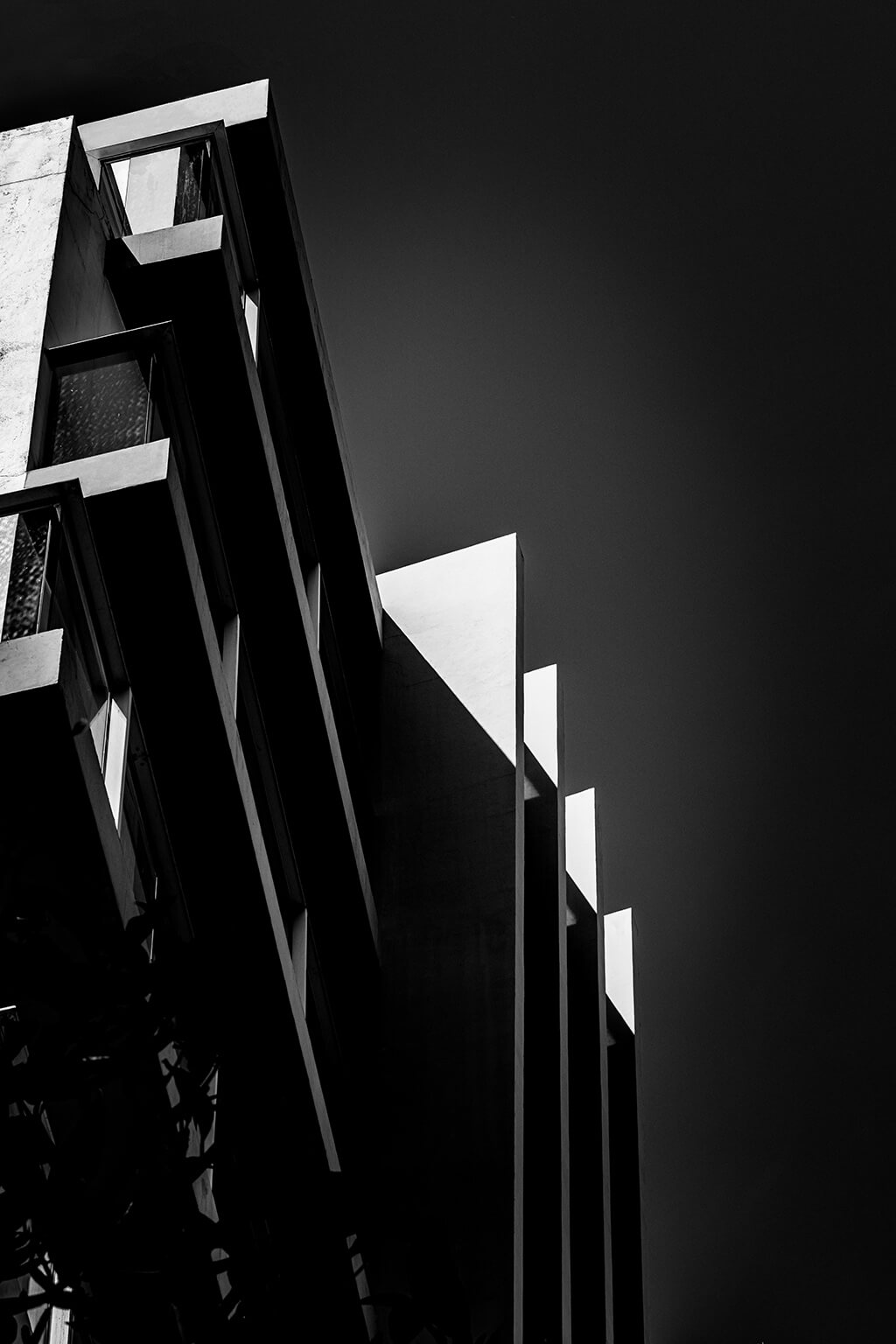
Laguna Heights Condominium stands as a symbol to modern architectural excellence. Ready to move in, the project exemplifies contemporary design principles with a focus on luxury and functionality. Constructed by Wandeegroup Asia under Kleff's expert guidance, every aspect of the building reflects meticulous attention to detail and high-quality craftsmanship.
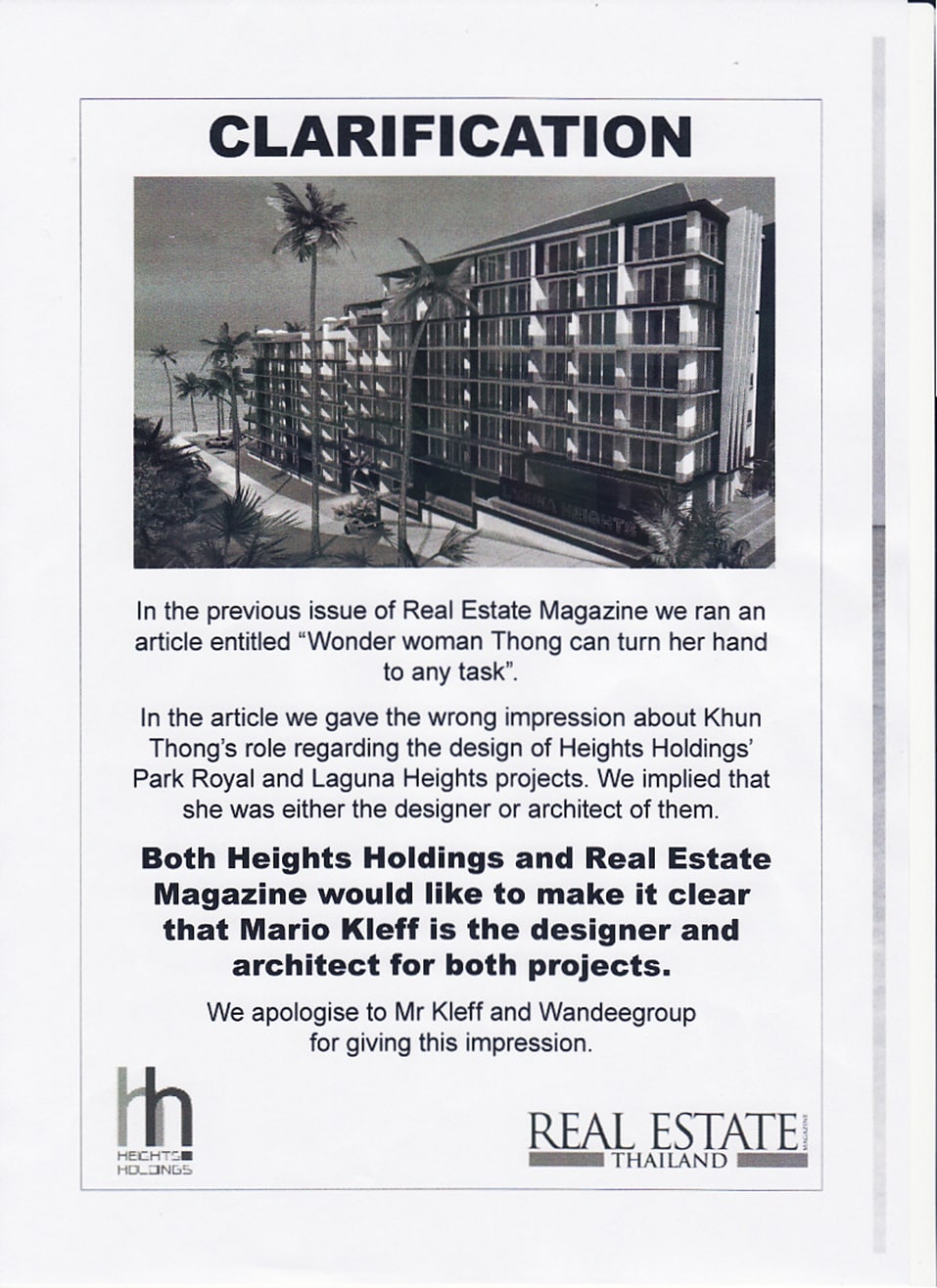
Clarification and Apology, Heights Holdings and REM Thailand apologise to Mario Kleff, REm 2008.
Design Highlights
- Modern Architectural Style: Sleek lines and innovative use of space characterize the structure, ensuring both aesthetic appeal and practical living spaces.
- High-Quality Materials: The use of premium materials such as granite floor tiles, teak and glass doors, and aluminum window frames ensures durability and elegance.
Construction Excellence
- Precision Engineering: Wandeegroup Asia's involvement guaranteed precision in every phase of construction, from the foundational framework to the basic interior finishes.
- Advanced Amenities: Features such as the rooftop infinity pool and European-standard fitted kitchens and bathrooms highlight the luxurious lifestyle offered by Laguna Heights.
For more detailed information on the design and construction, visit Laguna Heights Condominium.
Question & Answers
General Queries
The designer and architect behind Laguna Heights Condominium is Mario Kleff, the director of Wandeegroup Asia.
Where is Laguna Heights Condominium located?
Laguna Heights Condominium is located at 159/192, Soi Naklua 16, Moo 5, Na Kluea, Banglamung, Pattaya City, Thailand.
When was Laguna Heights Condominium completed?
The construction of Laguna Heights Condominium was completed in 2010.
What is the architectural style of Laguna Heights Condominium?
Laguna Heights Condominium is designed in a modern architectural style.
What amenities are available at Laguna Heights Condominium?
Laguna Heights Condominium offers amenities such as European-standard fitted kitchens and bathrooms, a built-in jacuzzi, built-in wardrobes and kitchen cabinets, 60 x 60 cm granite floor tiles, teak and glass doors, aluminum window frames, air conditioning, a gymnasium, a rooftop infinity pool, underground car parking, keycard and 24-hour security with CCTV, private and secure card access, and a wifi system.
Who developed Laguna Heights Condominium?
Laguna Heights Condominium was developed by Heights Holdings Co Ltd.
What role did Mario Kleff and Wandeegroup play in the construction?
Mario Kleff was the architect, and Wandeegroup, under his direction, handled the construction, ensuring high standards and quality in every detail.
Are Mario Kleff and Wandeegroup responsible for any changes to the building after completion?
No, Mario Kleff and Wandeegroup Asia Co Ltd are not responsible for any modifications or changes made to the building after it was handed over to the developer, Heights Holdings Co Ltd.
Who holds the copyrights to the design of Laguna Heights Condominium?
Mario Kleff retains full copyright ownership of the architectural design and structure of Laguna Heights Condominium.
What should be done in case of inquiries or concerns regarding the building?
For any inquiries or concerns, residents and stakeholders should contact the developer, Heights Holdings Co Ltd, directly.