Change language:

Mario Kleff's Bond with the Leopard Pets, Fasai and Typhoon
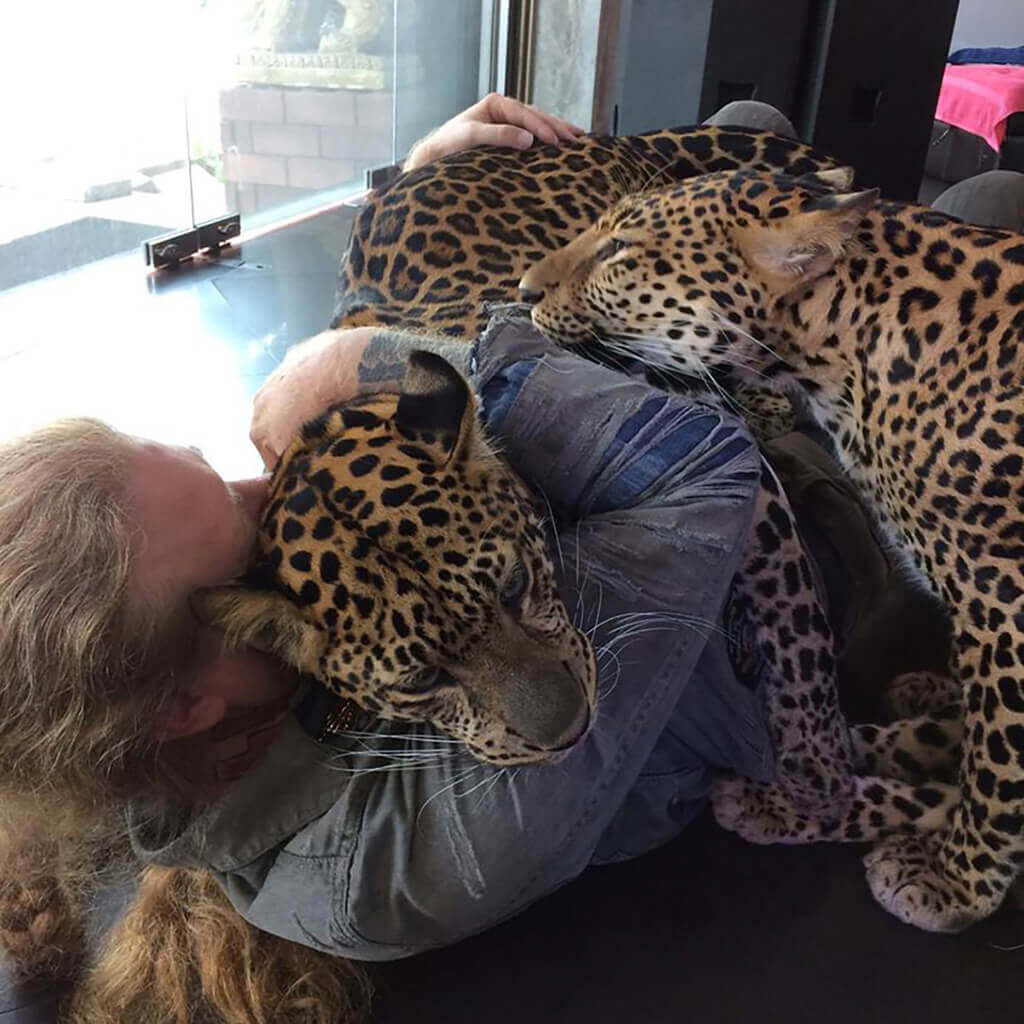
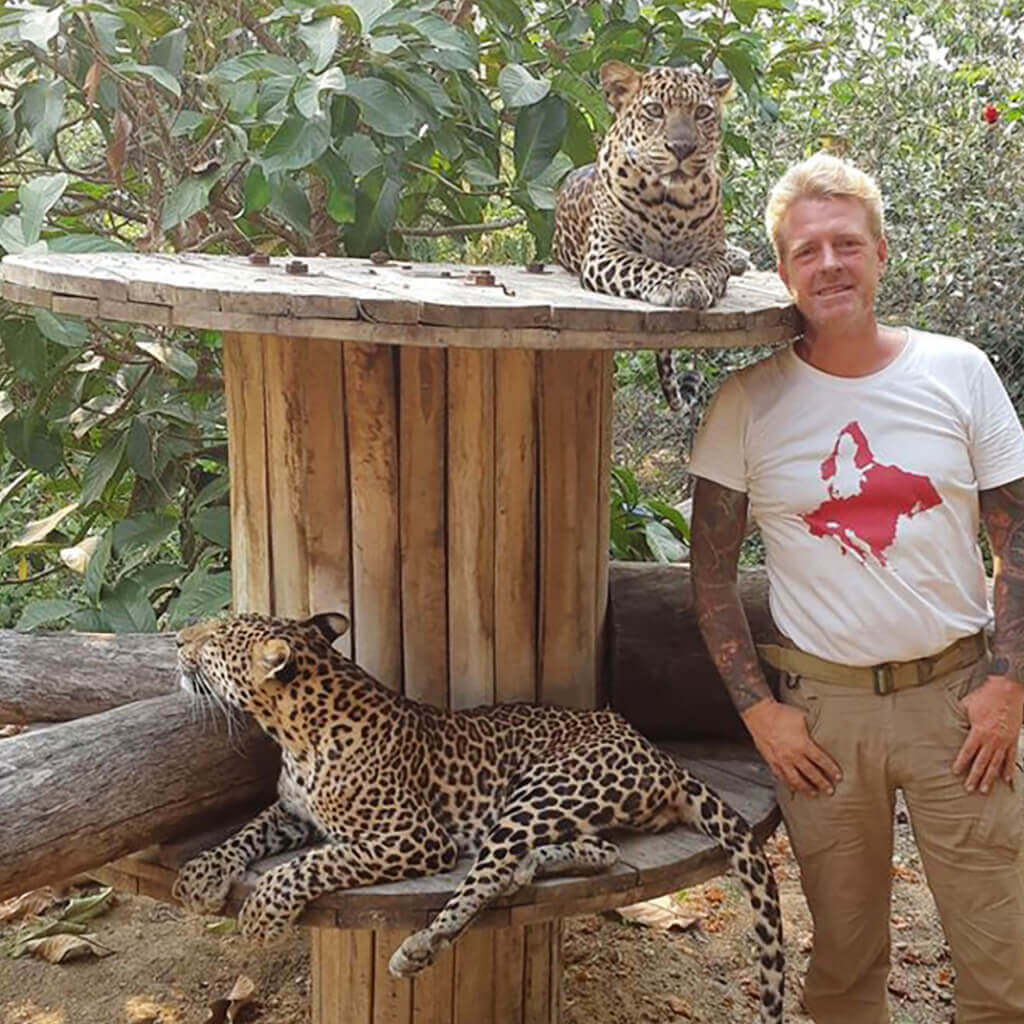
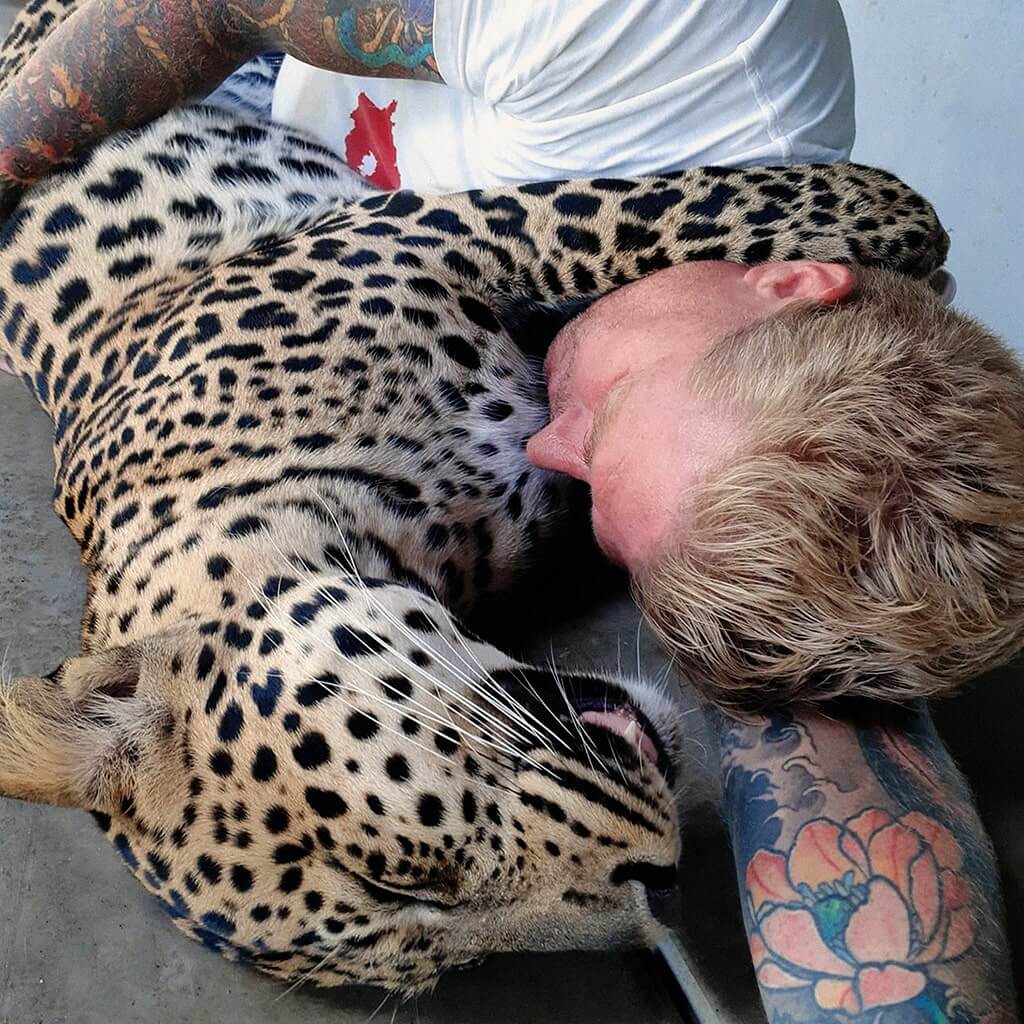
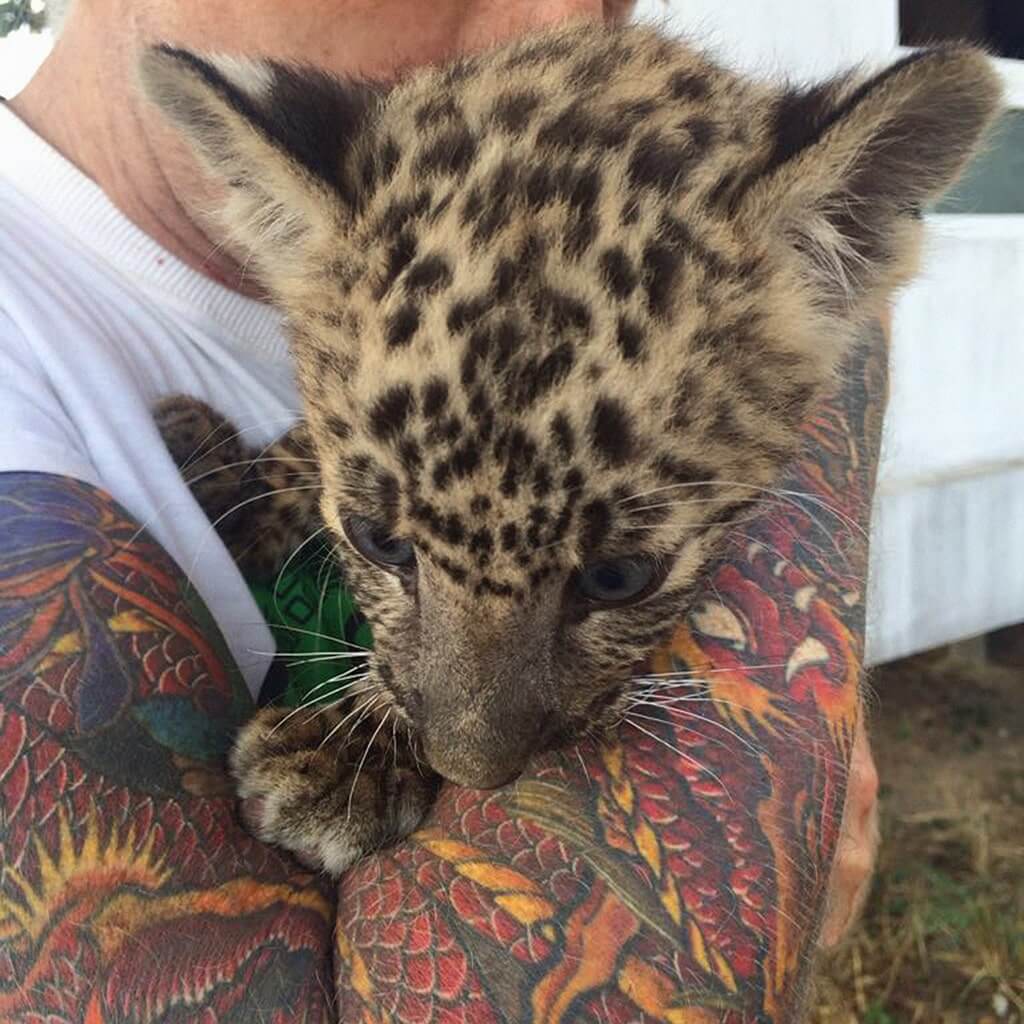
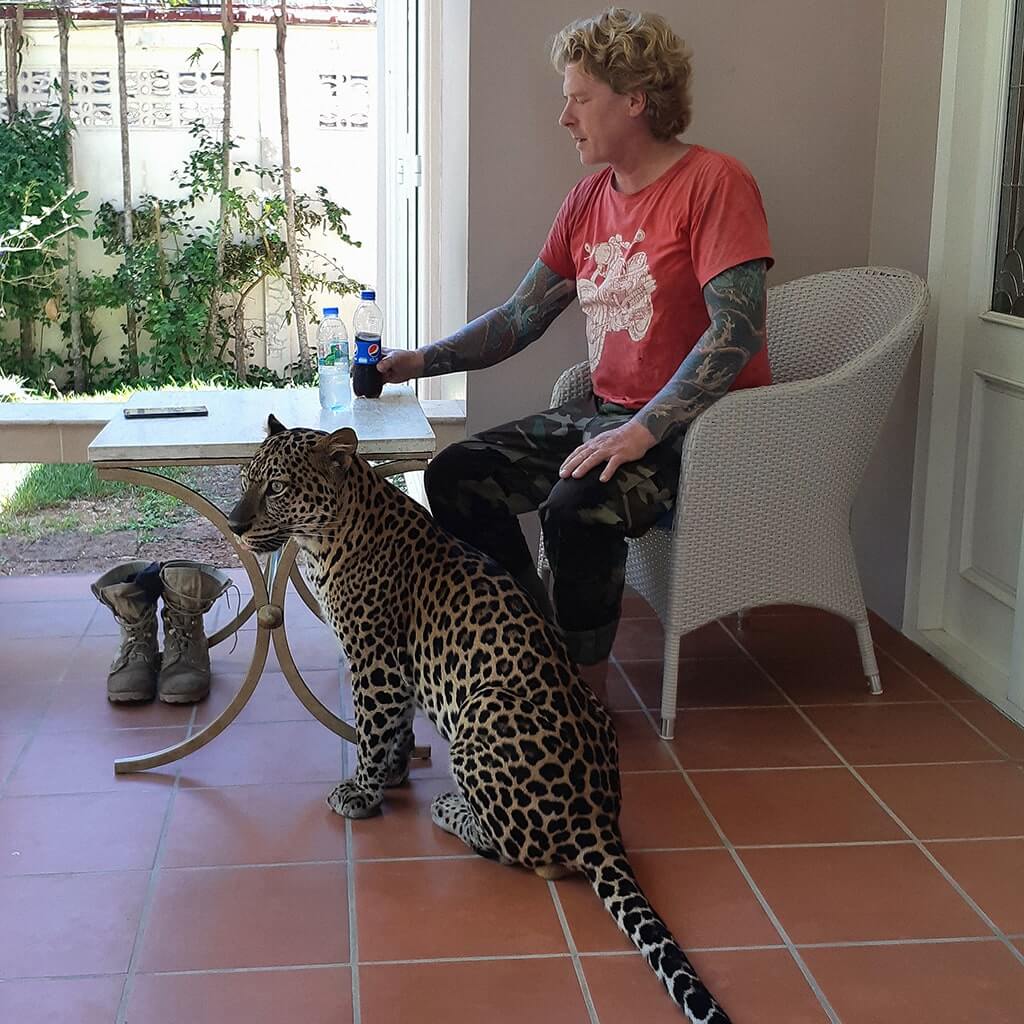
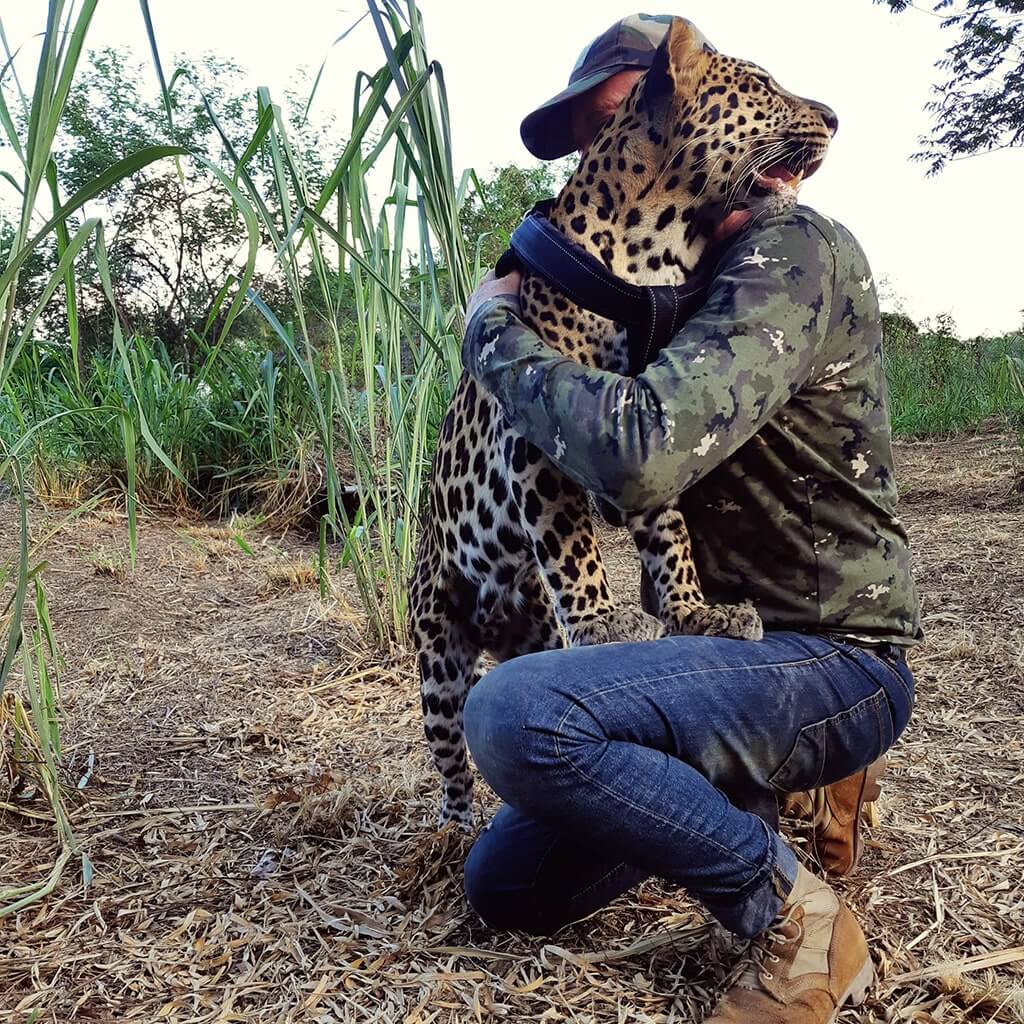
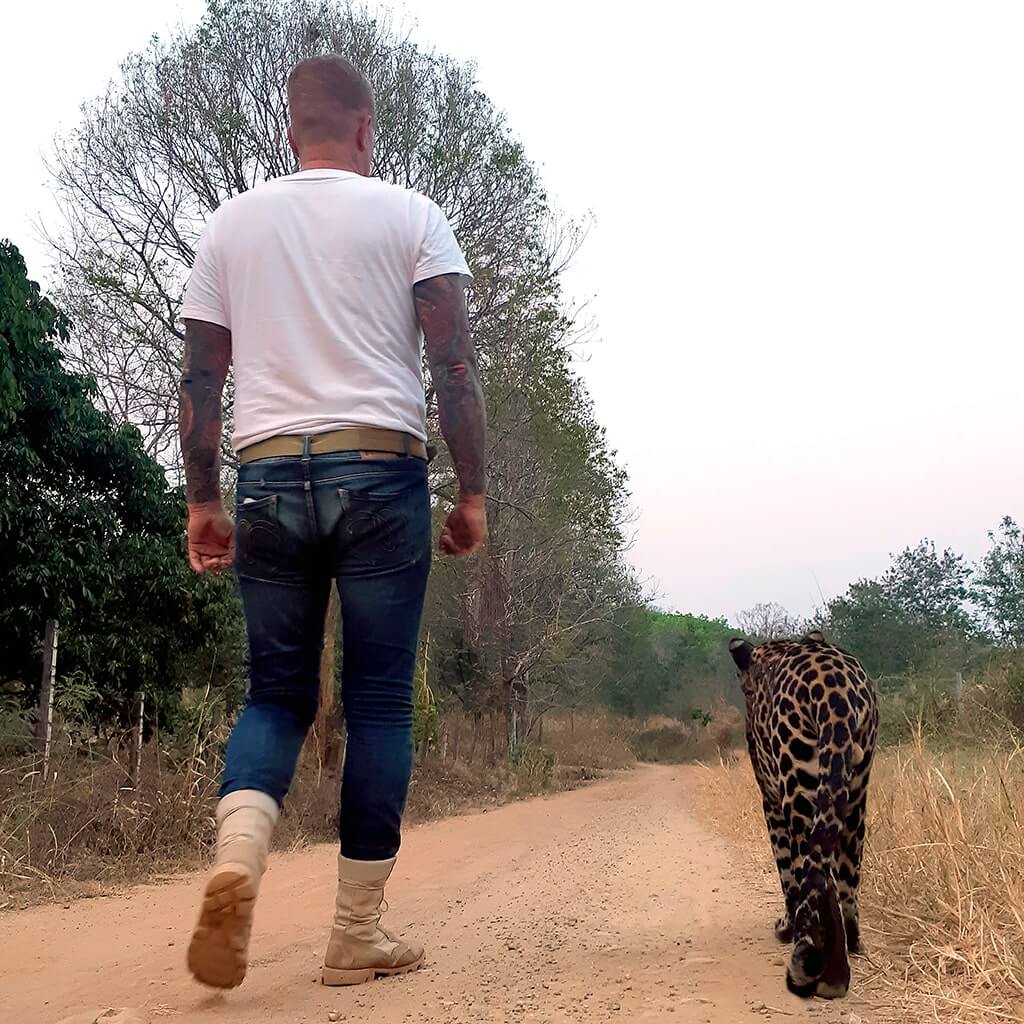
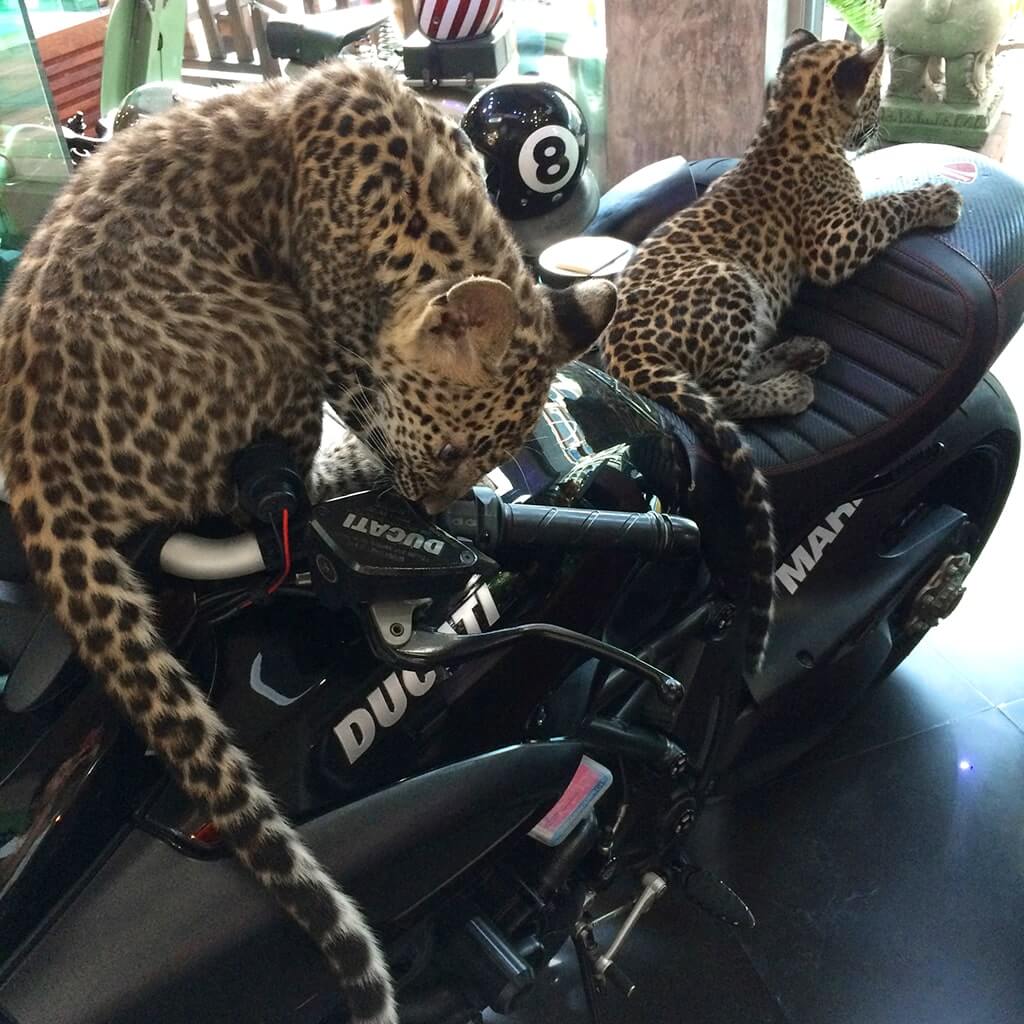
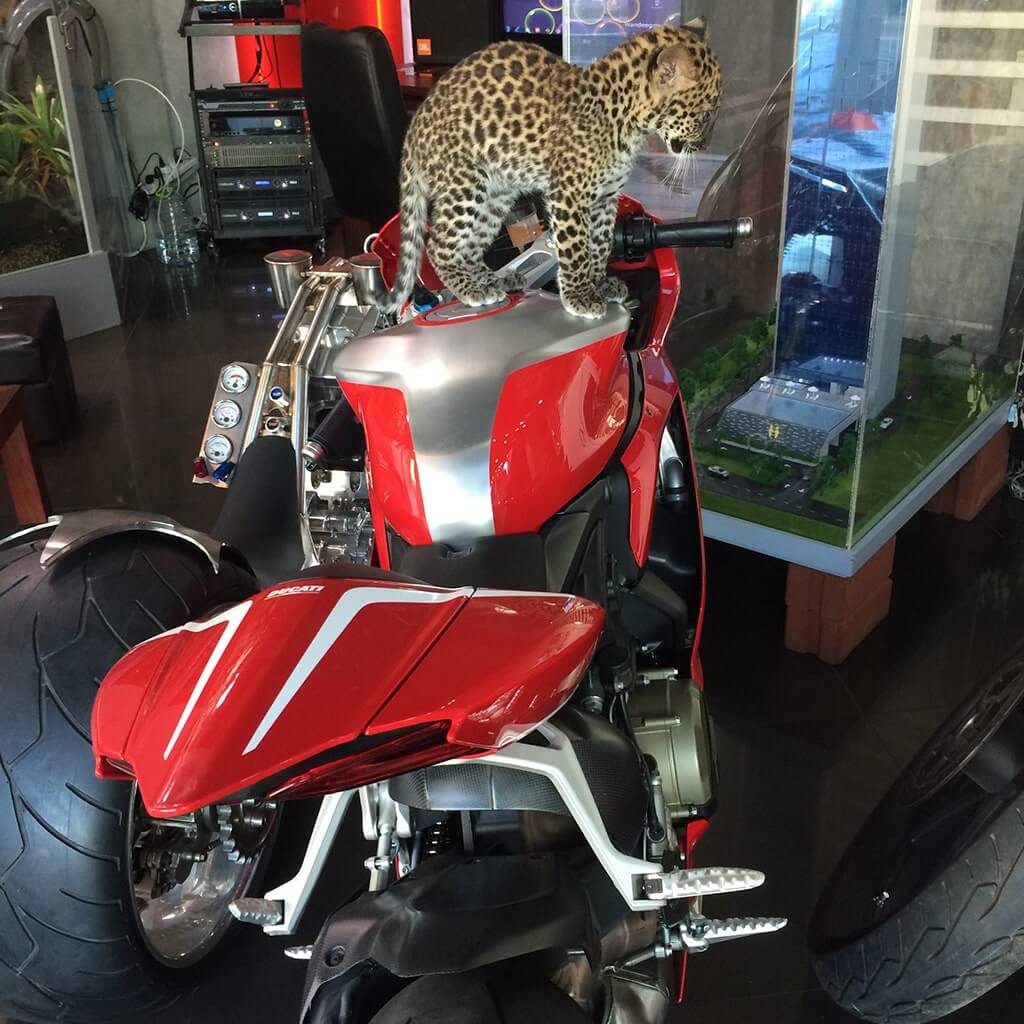
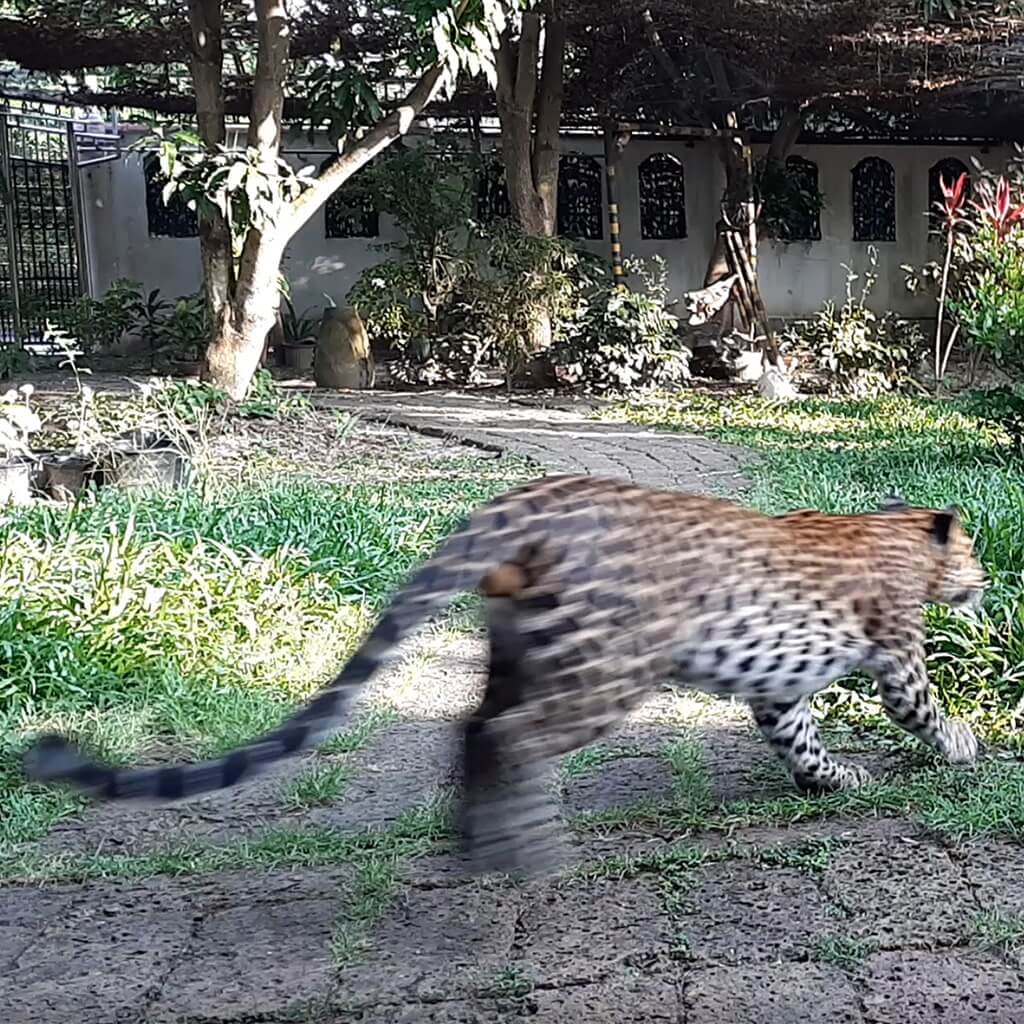
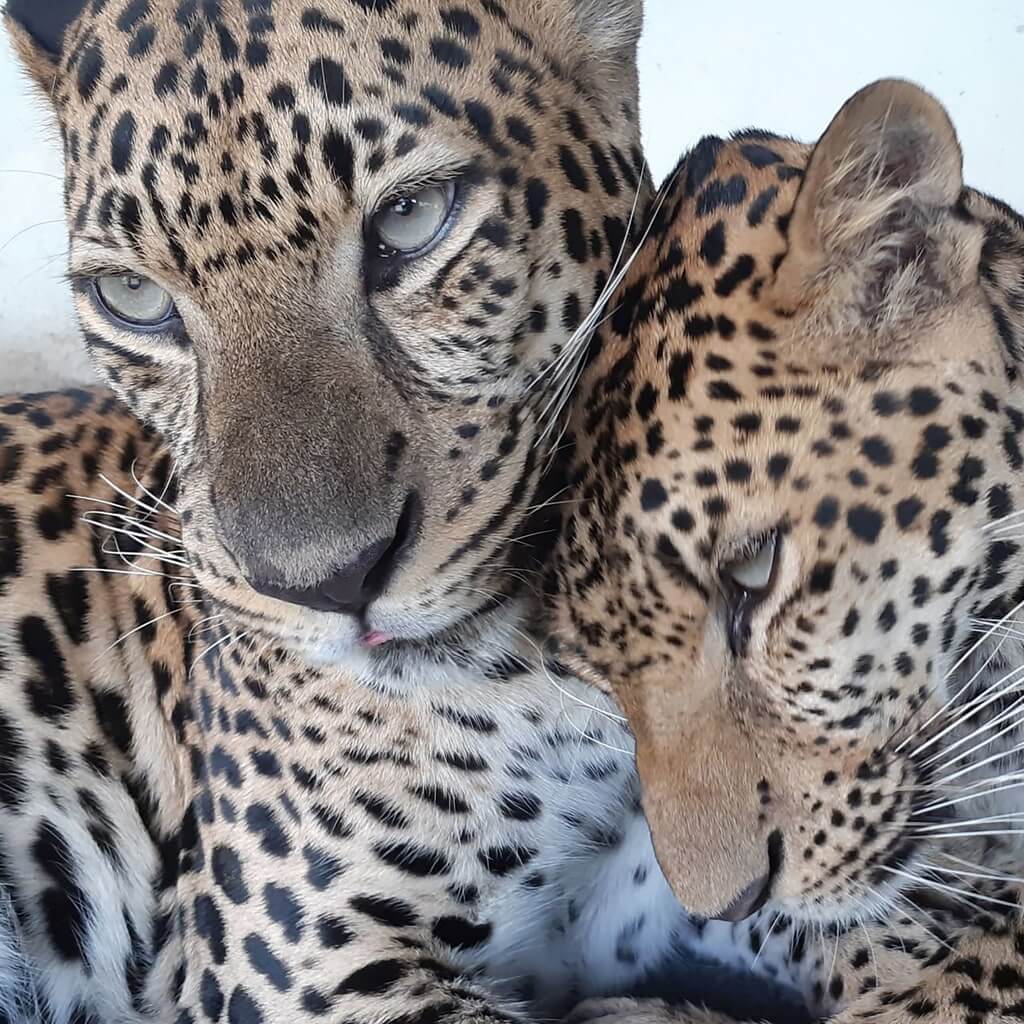
In the vibrant city of Pattaya, Thailand, a remarkable bond blossomed in 2015 between Mario Kleff and two leopard cubs, Fasai and Typhoon. Born that year, these leopards found solace and family with Mario, intertwining their lives in a connection that transcends the ordinary human-animal relationship.
A Dedication to Building Bond
Leopards, the most astute and commanding among big cats, necessitate a profound bonding phase during their formative years. Recognizing this innate need for companionship and trust, Mario made the extraordinary decision to shutter his flourishing architecture and construction company, Wandeegroup, devoting himself entirely to nurturing the pets Fasai and Typhoon. This unwavering commitment ensured the leopards flourished in a secure environment, preserving their natural instincts while forging a profound bond with their human guardian.
Early Bonding and Socialization
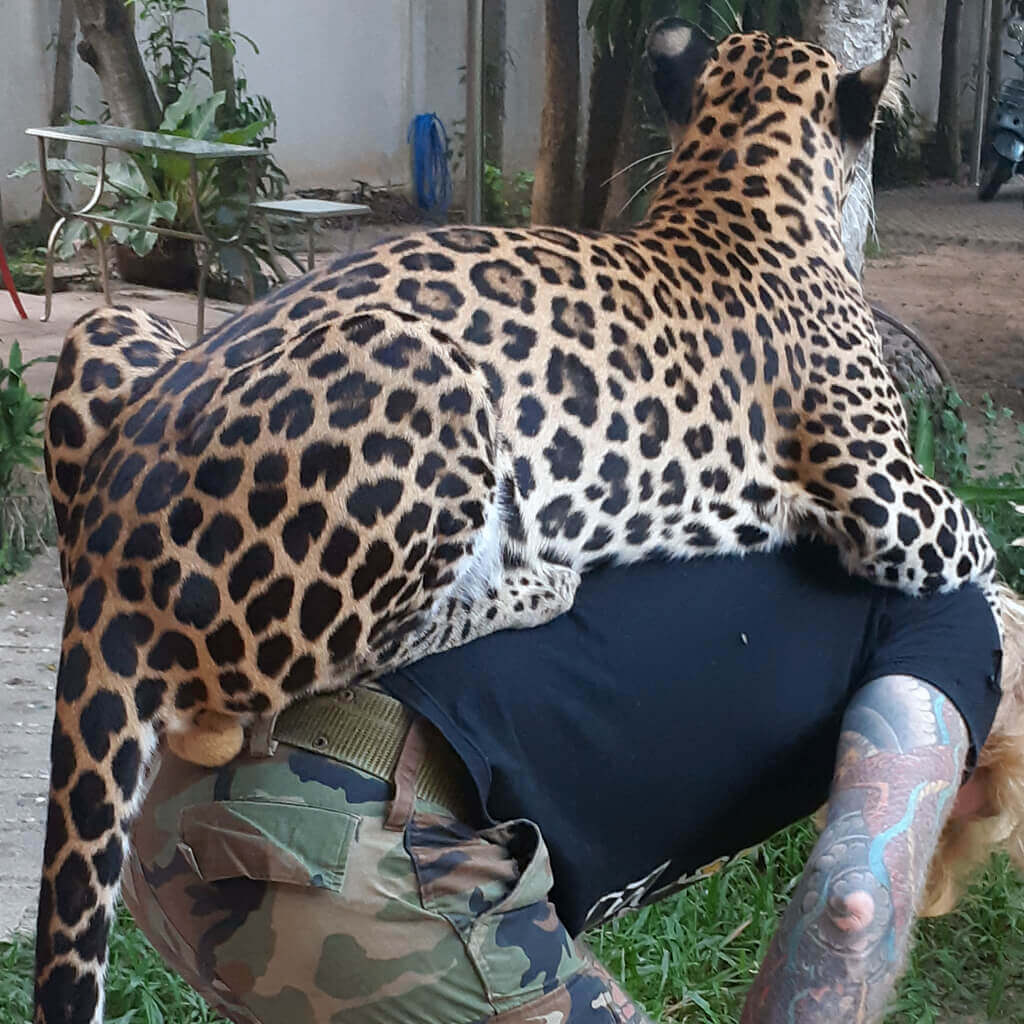
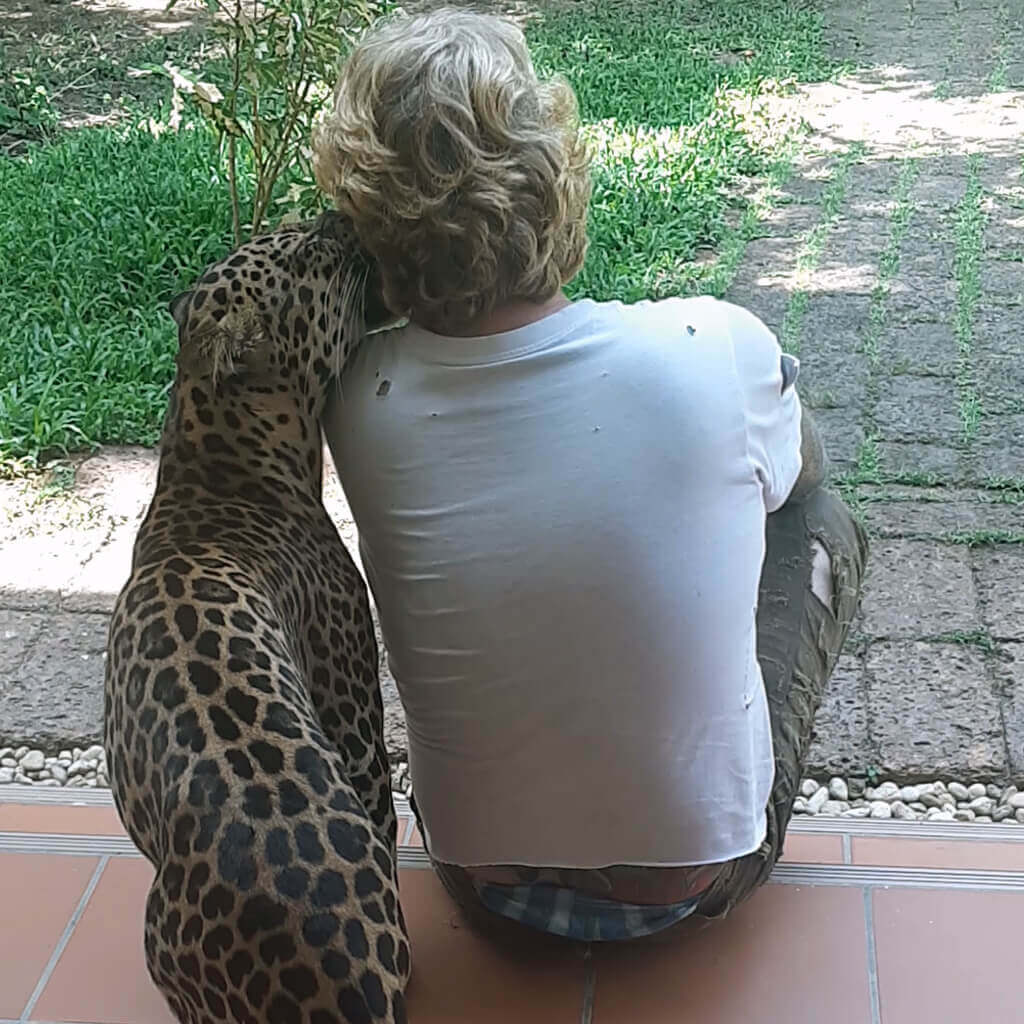
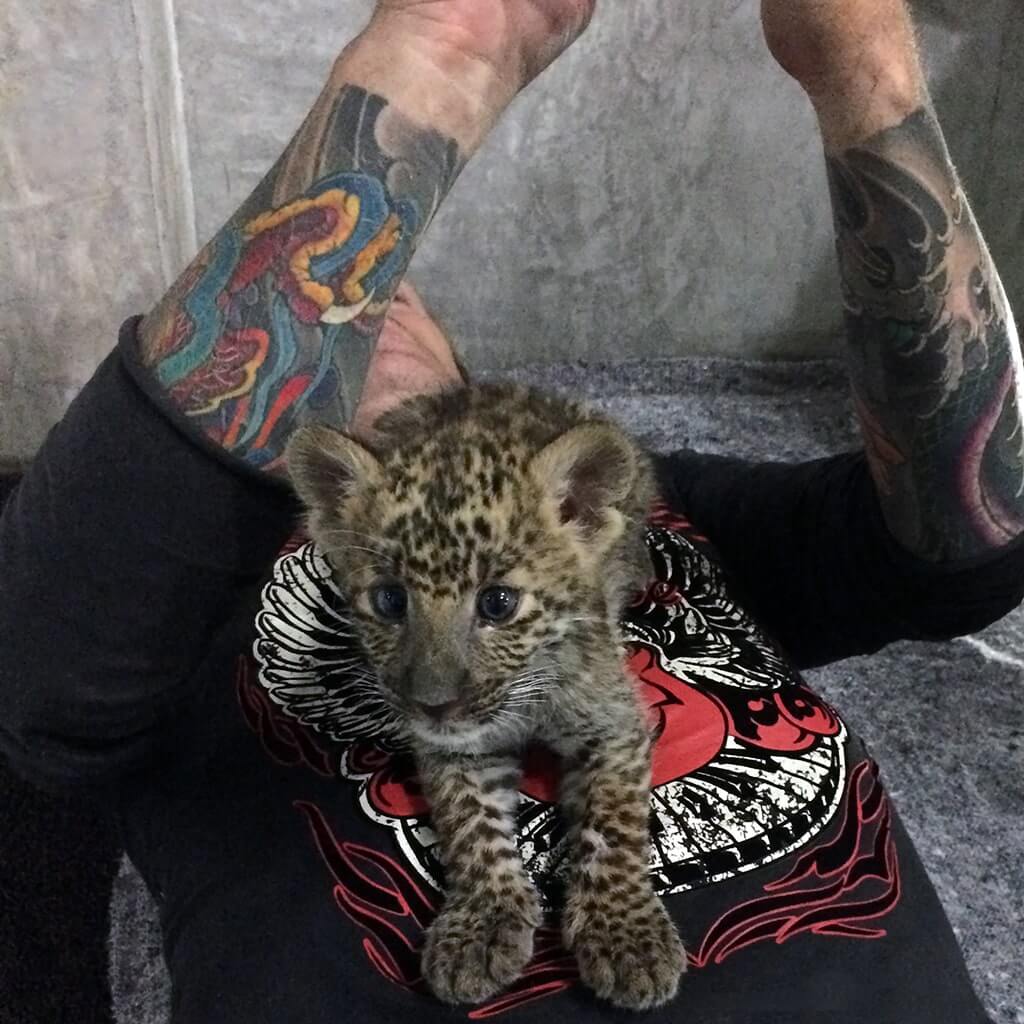
The initial years of a leopard's life are pivotal for cultivating trust and a robust bond with their human caretakers. Intense interaction during this period is imperative. Dedicate ample time with the leopard cubs, as Mario Kleff did with Fasai and Typhoon, ensuring his constant presence and nurturing a profound bond. Handle the cubs delicately and frequently to acclimatize them to human touch, fostering trust and minimizing fear. Additionally, utilize treats and positive reinforcement to encourage good behavior, establishing favorable associations with human interaction.
Ensuring the Well-being of Leopard Pets: Nurturing Their Natural Behaviors
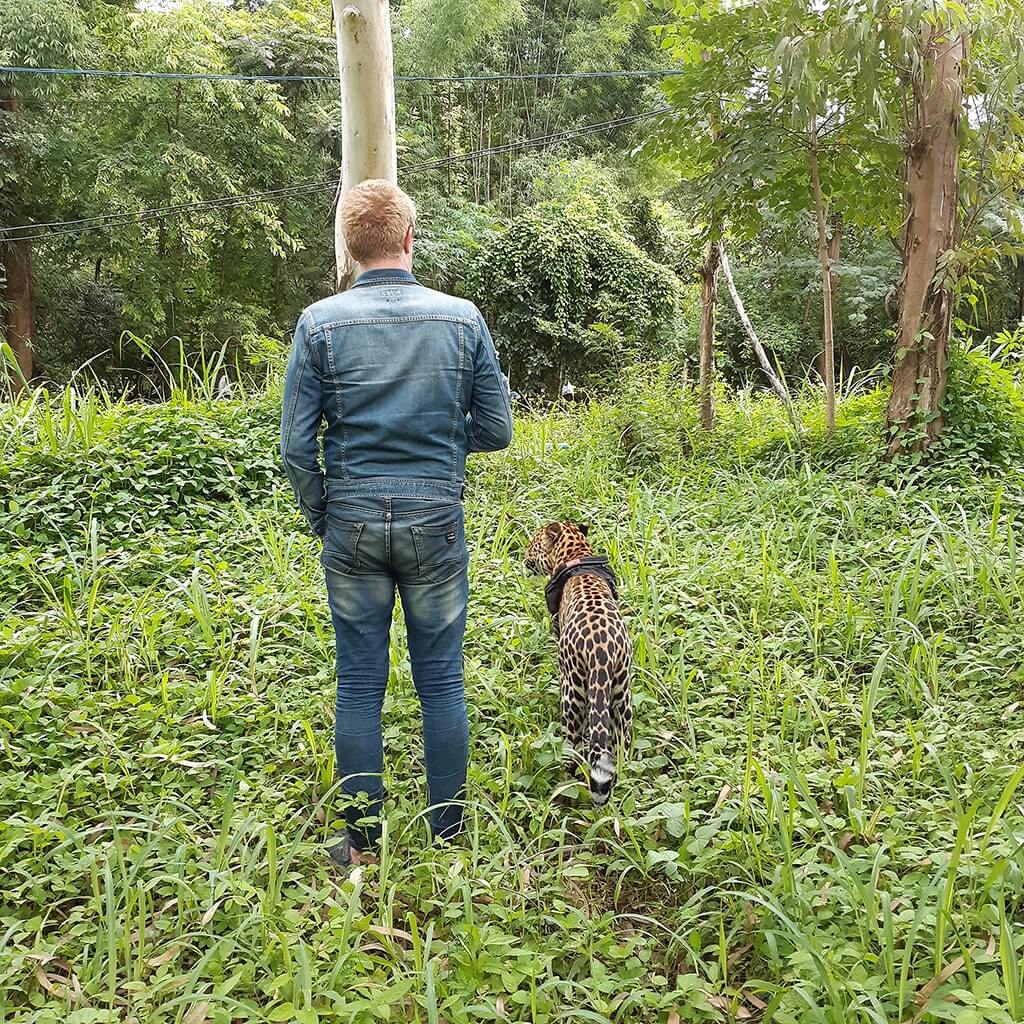
Preserving natural behaviors in leopard pets is essential for their overall well-being. This involves providing enrichment activities that mimic their hunting instincts, such as puzzle feeders, climbing structures, and hiding spots. Alongside this, ample space for running, climbing, and exploration is crucial, recognizing that leopard pets are highly active animals. Additionally, maintaining a diverse diet resembling what they would find in the wild, including raw meat, bones, and occasional live prey, is vital for sharpening their hunting instincts and ensuring they receive essential nutrients.
Creating a Safe Environment for Leopard Pets:
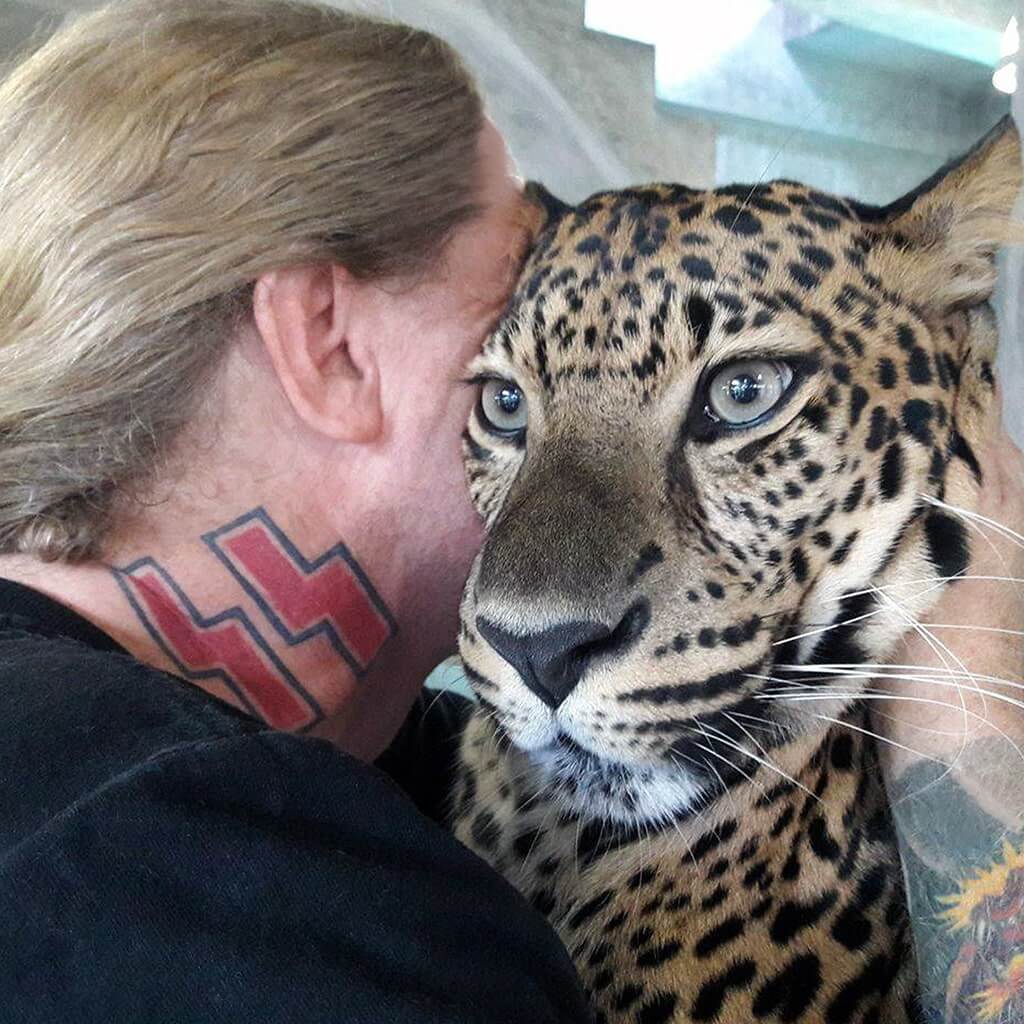
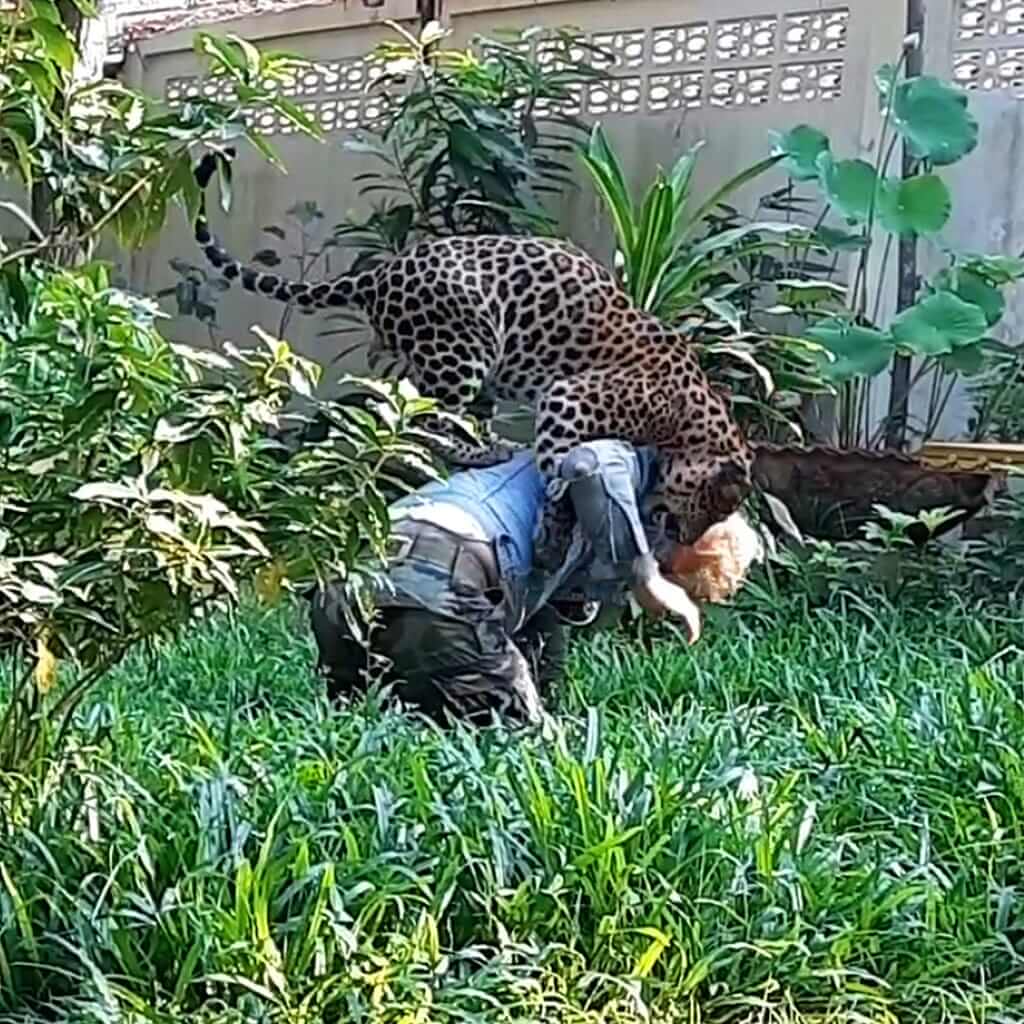
Ensuring safety for both leopards and humans is paramount. This involves designing and maintaining secure enclosures that prevent escape and safeguard leopards from harm, incorporating high fences, sturdy locks, and possibly double barriers. Additionally, vigilantly supervising interactions between leopards and humans, especially with new individuals or in unfamiliar environments, is essential, as leopard behavior can be unpredictable, and play can escalate into aggression. Moreover, conducting regular veterinary check-ups is crucial, as leopards can conceal illness, necessitating routine health screenings to detect problems promptly.
Specialized Training and Expertise
Acquiring specialized knowledge about leopards is imperative. Collaborating with wildlife experts and trainers experienced with big cats is essential. Mario Kleff exemplified this by sending his assistant architect, Waraporn Na-Lampang, to South Africa to learn from leopard experts, ensuring they had the expertise to properly care for Fasai and Typhoon. Mastering the ability to interpret leopard body language and vocalizations is also crucial, as it facilitates anticipation of their needs and helps prevent potential conflicts.
Emotional and Psychological Well-being
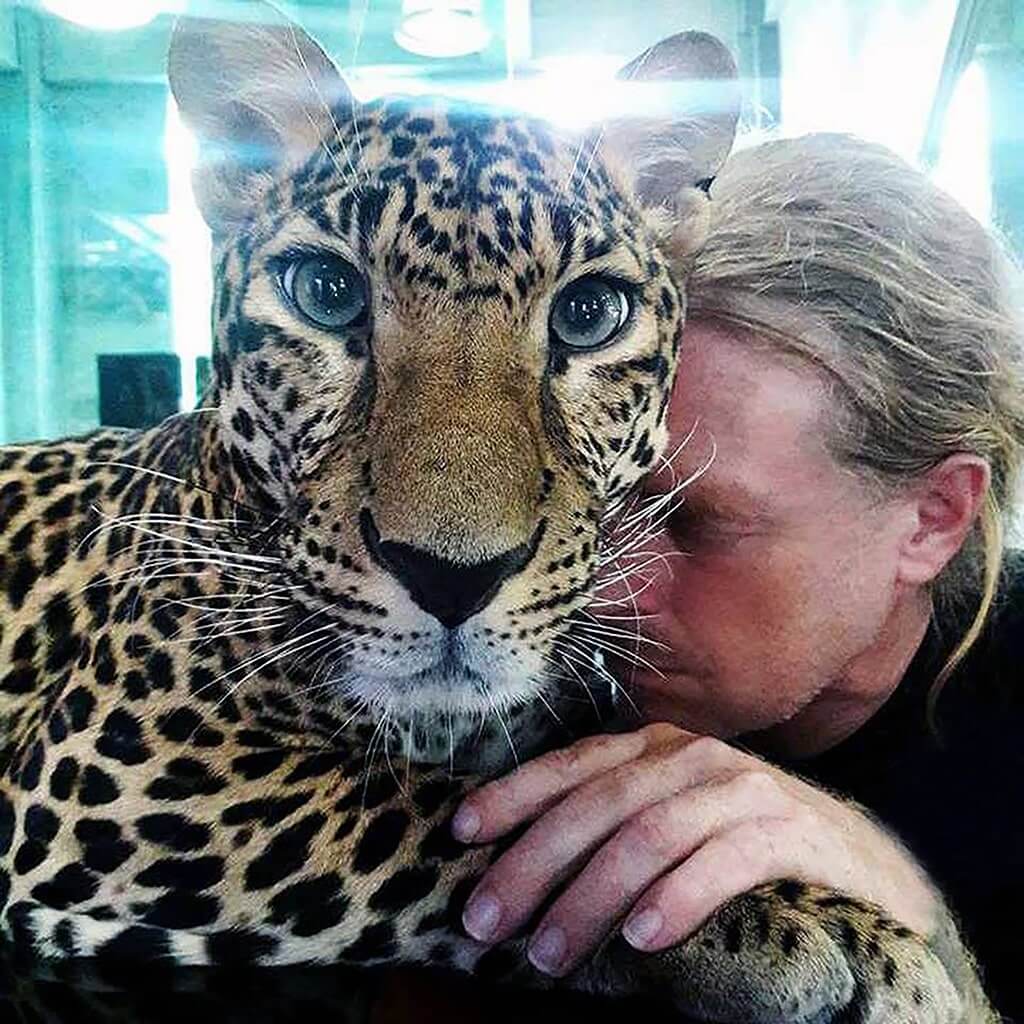
Leopards are highly intelligent and emotionally intricate creatures. Providing emotional enrichment through interactive play, training sessions, and varied environments is essential, as mental stimulation helps mitigate boredom and stress. Despite their solitary nature, leopards require social interaction with their human companions, necessitating regular positive engagements for their mental well-being. Additionally, maintaining a consistent routine is crucial, as leopards thrive on predictability, fostering a sense of security.
The Smartest Big Cats
Leopards are renowned for their intelligence, problem-solving abilities, and solitary nature. Unlike other big cats, leopards rely solely on themselves in the wild, developing a unique form of intelligence. They are adept hunters and excellent climbers, capable of outsmarting both prey and potential threats. This intelligence and adaptability make them both fascinating and challenging companions.
Living with Leopards
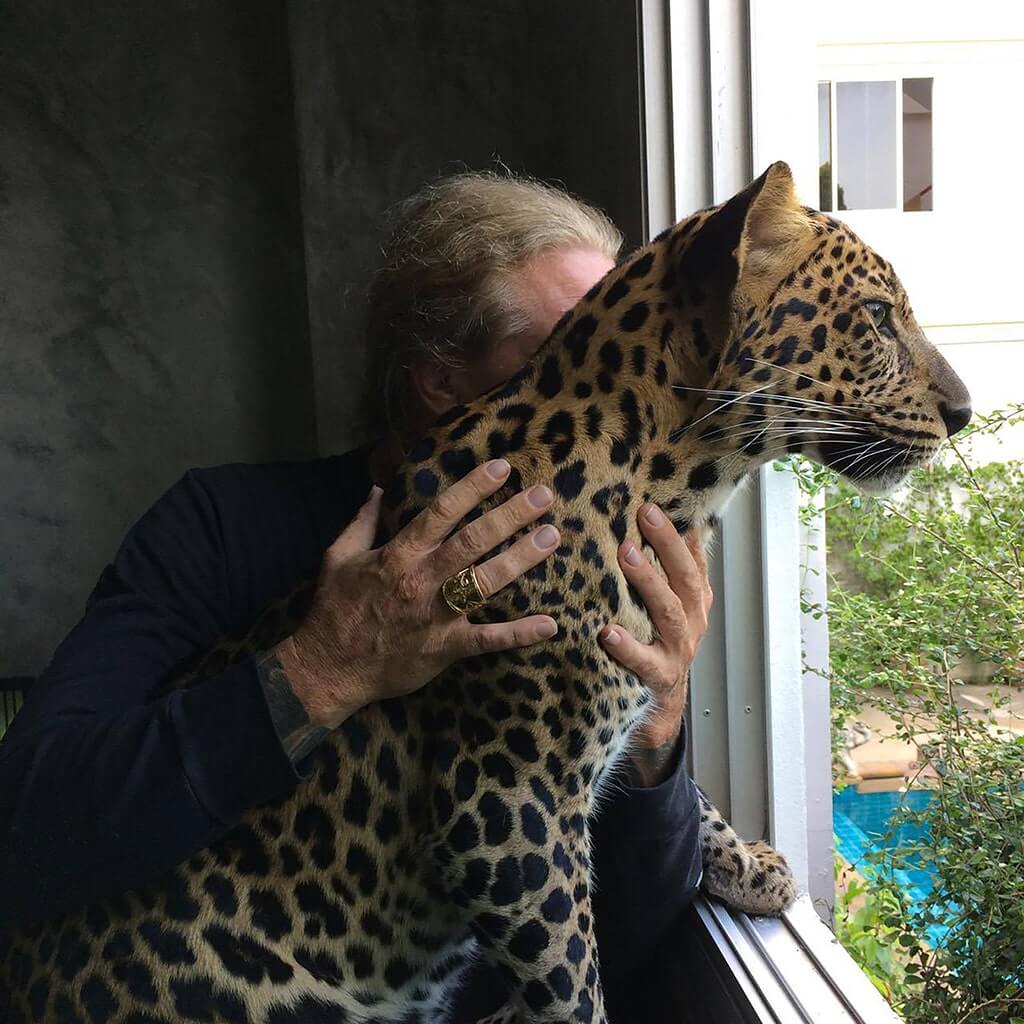
Mario's dedication meant that Fasai and Typhoon became an integral part of his daily life. They slept in his bed from the time they were cubs and continued to do so as adults. This constant proximity fostered a unique bond, allowing the leopards to thrive in a setting that was both familiar and nurturing. Mario's wife, Nittaya Wongsin, COO of Wandeegroup, supported this endeavor, creating a cohesive family unit that included these magnificent cats.
The Nature of Leopards
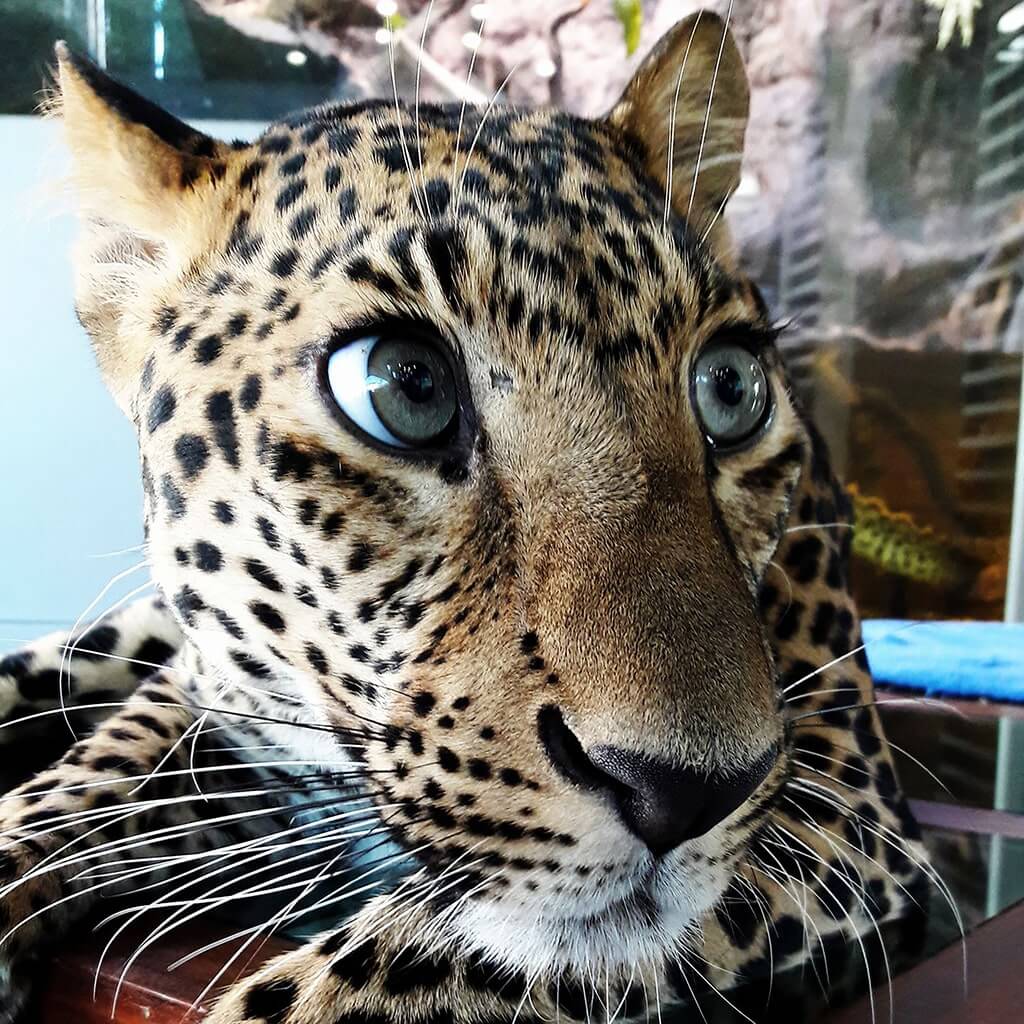
Leopards are light-colored with distinctive dark spots called rosettes. Black leopards also exist, though their spots are less visible due to their dark fur. These cats inhabit various regions, including Sub-Saharan Africa, Northeast Africa, Central Asia, India, and China. Renowned for their speed, leopards can run up to 58 km/h and leap 6 meters forward. Despite their solitary nature, males and females do cross paths to mate, marking their territories with scratches, urine scent marks, and feces to keep others away.
Leopards have a varied diet, feasting on anything from bugs and fish to antelope and monkeys. Their strength allows them to drag heavy prey into trees, safeguarding their meals from scavengers. Nocturnal by nature, leopards hunt at night, using stealth and precision to capture their prey.
The Emotional and Social Intelligence of Leopards
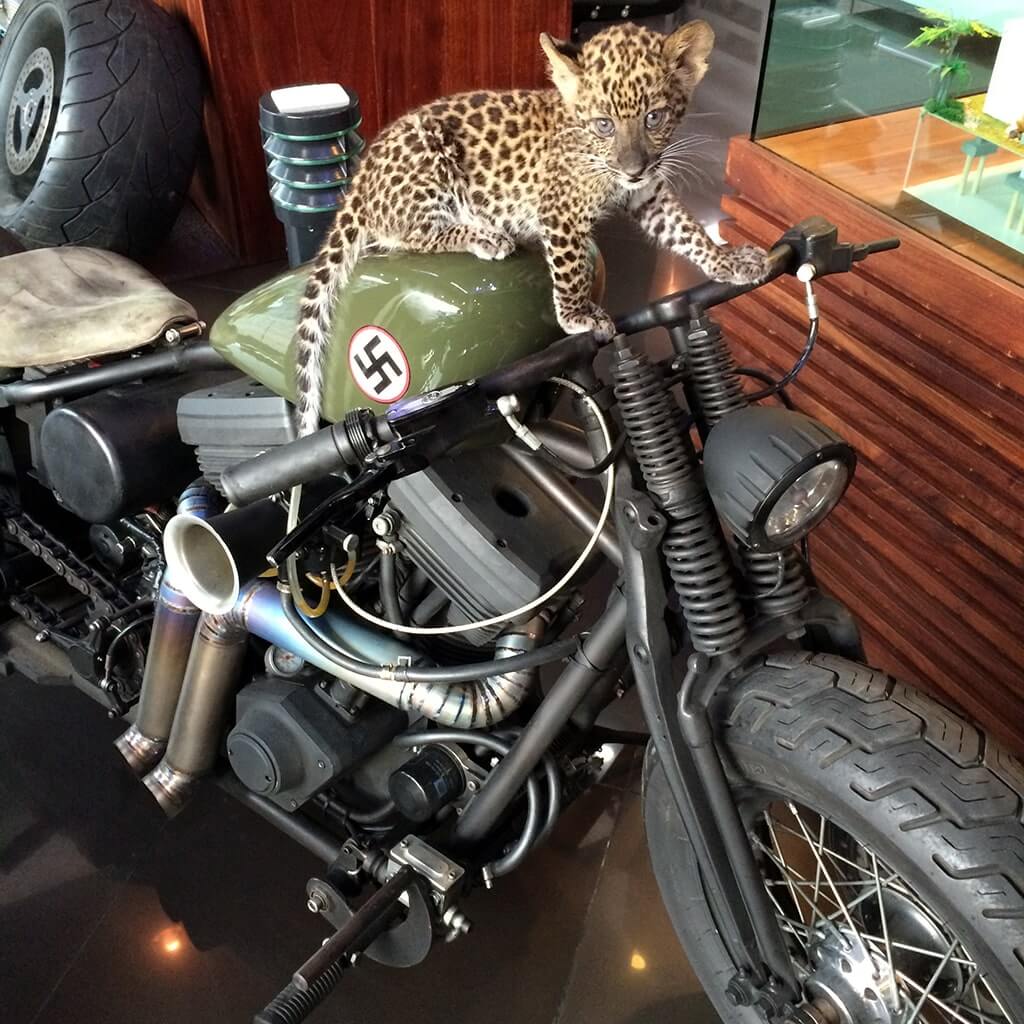
Leopards communicate through distinctive calls, growls, and purrs, much like domestic cats. Females typically give birth to two or three cubs, caring for them until they are old enough to survive on their own. This intricate social structure and communication highlight their complex emotional and social intelligence.
A Lasting Legacy
Mario Kleff’s journey with the leopards Fasai and Typhoon is a testament to his dedication and understanding of these remarkable creatures. By closing his business and immersing himself in their world, he has not only provided a safe haven for Fasai and Typhoon but also set an example of the profound connections that can be formed between humans and leopards. This unique story continues to inspire those who seek to understand and appreciate the incredible intelligence and beauty of the ultimate cats, the leopards.
The Story of Mario Leopards Continued
Explore Part 2 of the compelling story "Mario Kleff's Journey in Asia with Leopard Pets at Home".
Question & Answers
General Queries
Mario Kleff was inspired by his deep admiration for the intelligence, agility, and beauty of leopards. His commitment to understanding and caring for these remarkable creatures led him to dedicate his life to Fasai and Typhoon, closing his successful business to ensure he could provide the intensive care and bonding required during their early years.
How did Mario Kleff ensure a strong bond with Fasai and Typhoon?
Mario Kleff spent extensive time with Fasai and Typhoon from a young age, engaging in constant interaction and gentle handling. This intensive early bonding period was crucial for building trust and ensuring that the leopards felt secure and loved. His decision to live closely with them, including having them sleep in his bed, further strengthened their bond.
What measures did Mario take to maintain the natural behaviors of his leopards?
Mario provided enrichment activities that mimicked natural behaviors, such as puzzle feeders, climbing structures, and ample space for running and exploring. He also ensured a diet similar to their wild counterparts, including raw meat and bones. Regular play and exercise helped maintain their physical health and natural instincts.
How did Mario Kleff and his team acquire the knowledge to care for leopards?
Mario sent his personal assistant and architect at Wandeegroup, Waraporn Na-Lampang, to South Africa to gain hands-on experience with leopards in the wild and on farms. This training was invaluable in understanding leopard behavior, health care, and enrichment needs, enabling the team to provide optimal care for Fasai and Typhoon.